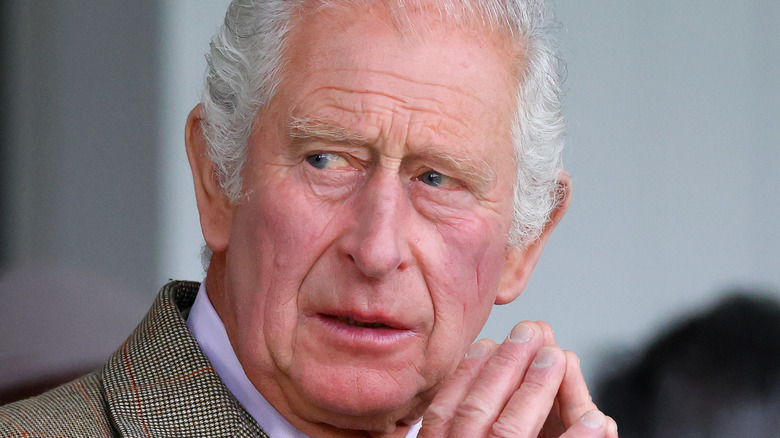
No longer the Prince of Wales, he’s now King Charles III.
For his mother, a princess at the time of her ascension, her decision was easy.
“My own of course what else?”
Elizabeth responded, perRoyal Central.
However, when her father became king, he took a different path.
Over the decades, there’s been speculation about Charles' choice of regnal name.
In 2005, two of his friends indicated that Charles was leaning toward a different choice.
However, another friend took the opposite point of view.
“Monarchs called Charles have not had much luck,” genealogist Patrick Cracroft-Brennan toldThe Timesin 2005.
“One was beheaded, one was in exile, and one was a pretender to the throne.”
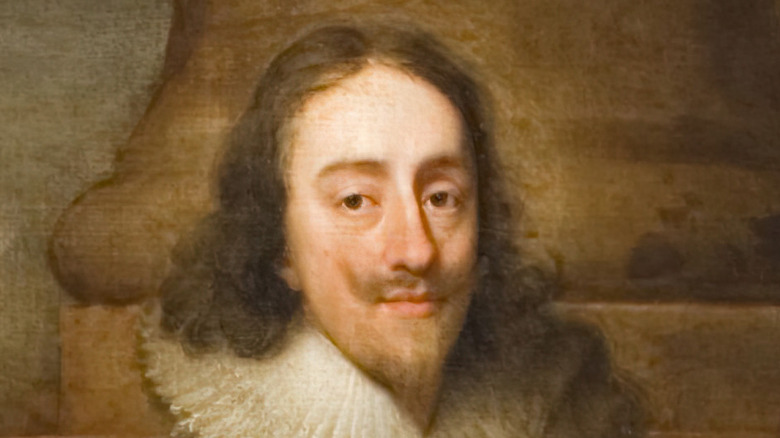
King Charles I began his reign in 1625 and often found himself in conflict with Parliament, perRoyal.uk.
When Parliament disagreed with the king, he eliminated it and made all the governing decisions himself.
At one point, Charles I ruled alone without Parliament for 11 years.
By 1642, England was embroiled in a civil war between pro-Parliament Roundheads and pro-monarchy Cavaliers, perHistoric UK.
By January 1649, Charles was tried and convicted of high treason.
Before he was beheaded, he called himself “the martyr of the people” (via Royal.uk).
According toRoyal.uk, an act of Parliament prevented the succession.
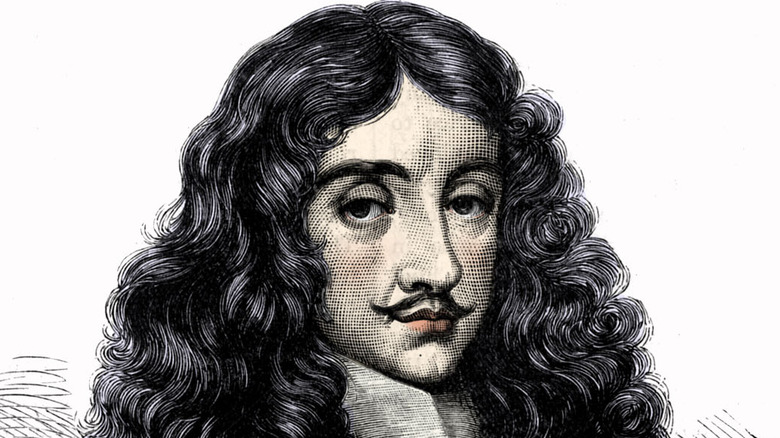
After his son’s unsuccessful attempt at the job, sentiment turned toward re-establishing the monarchy.
Like his father, Charles also had some conflicts with Parliament.
He ruled solo for his final four years after dissolving Parliament, perThe Telegraph.
This lack of legitimate heirs caused the crown to pass over to his brother James.
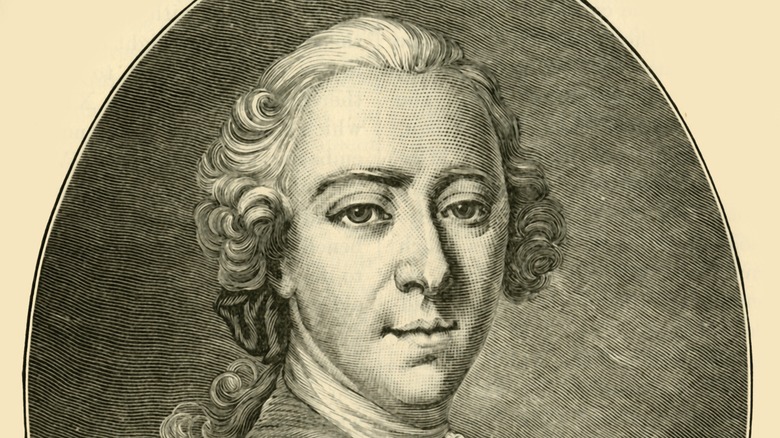
As such, he would have been known as Charles III, perSky History.
Charles was the grandson of James II, and Charles II was his great uncle.
After he was defeated during the decisive Battle of Culloden in 1746, his ambitions of becoming king ended.
Charles became angry and bitter, struggled with alcoholism, and abused his wife and girlfriends.
He died in Rome at age 67 after suffering a stroke.
