More people now feel comfortable identifying as LGBTQ+ than in the past, according to a 2022Galluppoll.
With this evolution comesnew language to discuss genderand sexuality in an inclusive and empathetic way.
So what is a deadname, and why does deadnaming hurt non-cisgender people?
What is deadnaming?
Many trans and non-binary people wait years before coming out of the closetifthey do at all.
Choosing a new name can be empowering for those who don’t identify with their assigned gender.

According toTeen Vogue, a variety of factors influence how transgender people select their monikers.
Why is deadnaming harmful?
Healthlinenotes that deadnaming isn’t always intentional or malicious.
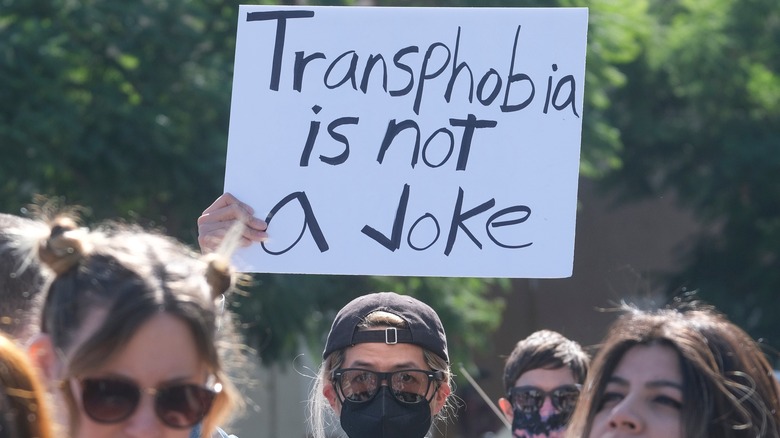
Still, deadnaming can have both mental and physical repercussions.
This then puts them at greater risk of being harassed or physically hurt.
Simply using the wrong name could put a transgender friend or loved one in a dangerous position.

Similarly,Verywell Mindalso warns that deadnaming can be invalidating and can make the gender transitioning process much harder.
Trans people may feel that they don’t have agency over their own identity and choices.
The resulting stress could lead to depression, anxiety, and psychological trauma.
So what can you do if you mistakenly deadname someone?
PsychCentralalso suggests practicing saying their name both to yourself and when you’re together.
However, see to it to avoid using their current name in environments where they may feel unsafe.
When in doubt, ask if there are times that they’d prefer you switch to their deadname.
Honor their identity and stick with the name they prefer.
